How Often Should You Schedule Septic Services?

If you own a home with a septic system, the question is rarely whether you will need septic services. The real question is when. Wait too long, and a routine maintenance visit can turn into an expensive repair, a foul backup, or a drain field problem that lingers for years. Schedule too often, and you may spend money earlier than necessary.
The right timing sits somewhere between those extremes, and it depends on more than a calendar reminder. Tank size, household size, water habits, garbage disposal use, system age, soil conditions, and even how often guests stay over all matter. Septic systems are simple in principle, but they are not one size fits all in practice.
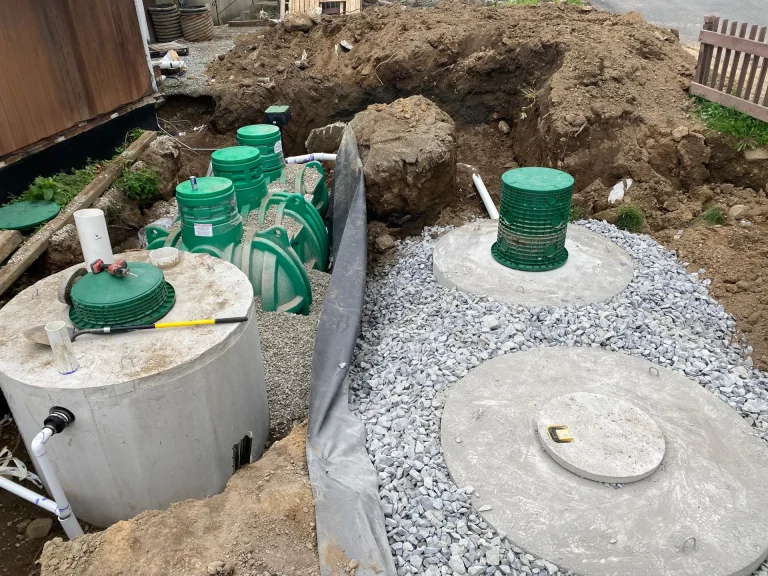
A healthy septic system works quietly in the background. Wastewater leaves the house, solids settle in the tank, scum floats to the top, and partially clarified liquid moves on to the drain field. That process only works if the tank has enough room to separate waste properly. Once the sludge and scum layers grow too thick, solids can move where they should not. When that happens, the damage often shows up outside the tank, which is where costs rise fast.
For most homes, septic services should be scheduled on a regular pumping and inspection cycle, usually every 3 to 5 years. That is the broad rule of thumb. It is useful, but it is not precise enough to rely on blindly. Some households truly can go five years without trouble. Others need attention closer to every two or three years. The safest approach is to understand what affects your system and let those details guide the schedule.
The short answer most homeowners need
A typical family home with a conventional septic tank should plan on professional septic services every 3 to 5 years, with pumping often falling within that same window. Homes with more occupants, smaller tanks, heavy water use, or frequent garbage disposal use may need service every 2 to 3 years. Lightly used systems, such as those in vacation properties, may stretch longer, though they still need periodic inspection because inactivity creates its own issues.
That timeline is not just about pumping out waste. A good service visit should also include checking the tank condition, baffles, filters if present, liquid levels, and visible signs of trouble in the system. Many of the worst septic failures I have seen were not caused by one dramatic event. They were caused by years of neglect and a slow buildup of small problems no one noticed.
One homeowner I spoke with assumed that because their drains still worked, the system was fine. By the time sewage surfaced in a soggy strip of lawn behind the house, solids had already pushed into the drain field. A routine service call a year earlier would have cost a few hundred dollars. The eventual repair cost several thousand and disrupted the yard for weeks.
Why the calendar alone is not enough
Two homes built side by side can have very different septic service needs. One may house a retired couple who use water conservatively and eat out often. The other may hold a family of five with teenagers, long showers, daily laundry, and a garbage disposal that sees everything from potato peels to pasta scraps. Those systems are not living the same life.
A septic tank fills with solids based on how much waste enters it and how efficiently the system separates that waste. Human waste and toilet paper are expected. Grease, food scraps, wipes, excessive cleaners, and heavy laundry loads all change the equation. Even if none of those habits cause an immediate backup, they can shorten the window between service visits.
This is why experienced septic professionals do not like to answer with a single number and move on. The most responsible answer is a range, followed by a few questions about the home. How many people live there full time? What is the tank size? Is there an effluent filter? Do you use a disposal? Has the system ever had problems? Those details matter.
What actually determines service frequency
Several factors shape how often septic services should be scheduled. The most important are easy to understand once you know what the tank is trying to do.
- Household size and occupancy patterns
- Septic tank capacity
- Water use habits and fixture efficiency
- Garbage disposal use and what goes down the drain
- Age and condition of the system
A larger household produces more wastewater and more solids, so the tank reaches its service threshold sooner. Tank size can offset that to a point, but many homes operate with systems sized for previous code standards or past occupancy, not current reality. A three bedroom home may now function like a five person full time residence with work from home schedules, extra laundry, and more frequent cooking. That adds load.
Water use affects more than volume. When a household sends too much water into the system too quickly, solids have less time to settle properly. That is one reason marathon laundry days can be hard on a septic system. It is not just the total number of gallons, it is the surge.
Garbage disposals deserve special mention. They are convenient, but they can significantly increase the solids entering the tank. Ground food does not disappear. It adds to the organic load and often shortens pumping intervals. In homes that use a disposal heavily, I usually expect service on the earlier side of the range.
System age also matters. Older tanks, worn baffles, root intrusion, and partially compromised drain fields make regular inspection more important. A newer system in good condition may simply need routine maintenance. An aging one may need closer observation to catch trouble before it escalates.
A practical schedule by household type
The 3 to 5 year rule becomes more useful when you match it to real households.
A one or two person home with a properly sized tank and conservative water use often lands near the 4 to 5 year mark for pumping, though an inspection before that point is still wise if service history is unclear. A family of four in a standard single family home often fits the 3 to 4 year range. Larger families, homes with frequent guests, or households with high water use can drop to every 2 to 3 years. If the home has a history of slow drains, filter clogs, or prior septic issues, I would not wait for the longest possible interval.
Vacation homes are trickier than many people think. They may produce less total waste over a year, which suggests longer intervals, but irregular use can still cause issues. Tanks can sit idle for stretches, pumps in advanced systems may go untested, and owners may not notice early signs because they are not there often. Those properties benefit from service tied to both time and condition, not just occupancy.
If you just bought a home and do not know when the tank was last serviced, schedule an inspection as soon as practical. That one decision removes a huge amount of guesswork.
Pumping is not the same as a full system check
Homeowners often use the phrase septic services to mean pumping, but pumping is only one part of proper care. A thorough visit should look at the working parts of the system, not just remove contents and leave.
The tank should be checked for cracks, leaks, and the condition of the inlet and outlet baffles. If the system has an effluent filter, it needs cleaning and evaluation. The liquid level in the tank can offer clues about whether wastewater is moving normally to the next stage. The service provider may also notice signs of root intrusion, unusual sludge accumulation, or evidence that solids are escaping the tank.
This distinction matters because some failures are not caused by a full tank. They are caused by a damaged component or a developing drain field issue. Pumping a tank that has an outlet problem may buy a little time, but it does not solve the underlying issue. Good septic services should leave you with a clearer picture of system health, not just an empty tank.
Signs you should schedule service sooner
Sometimes the system tells you it wants attention before the expected interval arrives. The trick is not waiting too long to listen. A foul odor near the tank or drain field, slow draining sinks and tubs, gurgling pipes, sewage odors inside the house, or unusually lush grass over the drain field can all point to trouble. None of these symptoms should be brushed off as minor.
Here are the most common signs that call for quicker action:
- Slow drains or toilets that flush sluggishly
- Gurgling sounds in plumbing fixtures
- Sewage odors indoors or outdoors
- Wet patches or standing water near the drain field
- Backup in the lowest drains of the home
It is worth noting that one slow sink alone does not always mean a septic issue. It could be a local clog. But when several fixtures act up at once, especially on the lower level of the home, the septic system moves high on the suspect list.
A homeowner once described a recurring problem as “just the basement shower being temperamental.” It turned out the shower was the lowest point in the plumbing system, so it showed symptoms first. By the time a backup reached that drain, the tank was already overdue and the filter was badly clogged. Earlier service would have prevented both the mess and the emergency call fee.
Why waiting too long gets expensive
Routine septic services are preventive maintenance. Preventive maintenance rarely feels urgent, which is why it gets postponed. The problem is that septic systems do not usually fail politely. They fail under pressure, during a holiday weekend, when the house is full, after a storm, or when you least want excavation equipment in the yard.
The first financial hit is often the emergency service call. After that come repairs to baffles, filters, lines, or pumps in more advanced systems. The biggest cost, by far, comes from drain field damage. Once solids migrate beyond the tank and clog the soil treatment area, the fix can be invasive and expensive. Depending on site conditions and local requirements, drain field replacement can cost many thousands of dollars.
There is also the cost no one plans for, the inconvenience. You may need to limit water use, keep family out of parts of the yard, or coordinate inspections, permits, and repairs around work schedules. Septic maintenance is much cheaper than septic disruption.
How water habits change the timeline
Water use is one of the most underrated factors in septic scheduling. People think mainly about what goes down the drain, but not always about how fast it gets there. A system loaded with several back to back showers, multiple laundry cycles, and a dishwasher run all in one evening has less settling time than a system receiving the same amount of water spread across a day or two.
Newer fixtures can help by lowering overall flow, but habits still matter. Spacing out laundry, fixing running toilets promptly, and avoiding marathon water use on a single day can extend system performance. A running toilet, in particular, can push hundreds of extra gallons through a system in a surprisingly short time. I have seen homes with no obvious plumbing problem on the surface that were unknowingly flooding their septic system because of a silent toilet leak.
If your household recently changed, perhaps adult children moved back in, you started hosting relatives more often, or a home office increased daytime use, your old service interval may no longer fit.
What to ask a septic professional
A good septic company should do more than quote a price. They should help you build a realistic maintenance schedule. That starts with asking the right questions and giving useful answers. If they service your system, ask what they observed about sludge level, scum thickness, filter condition, and overall tank health. Ask whether your current interval seems appropriate or should be adjusted.
You do not need a lecture full of jargon. You need practical judgment. A credible provider can usually tell you, based on what they see, whether your household is on track for another three years or should come back sooner. The best service records include dates, observations, and recommendations. That paper trail becomes especially valuable if you sell the home later.
Special cases that need closer attention
Some systems need more than the standard rhythm. Homes with septic pumps, alarms, aerobic treatment units, or other advanced treatment components often require more frequent inspection because there are more parts that can fail. Even if the tank itself does not need pumping yet, the mechanical components may need regular checks.
Homes near lakes, rivers, or environmentally sensitive areas may also face stricter local guidance. In those cases, it is smart to follow both regulatory requirements and practical maintenance standards. Older systems installed under outdated rules deserve extra caution as well, especially if the drain field area has changed due to landscaping, added traffic, or soil compaction.
If you host large gatherings often, run a short term rental, or manage a multi generational household, your septic system may be working much harder than the original design anticipated. That does not guarantee trouble, but it does justify shorter intervals and a more active maintenance mindset.
What not to do between service visits
Many septic problems come from wishful thinking and bad habits more than from age alone. Flushable wipes are a recurring offender, despite the label. Grease and oil are another. So are harsh assumptions about additives. Most healthy septic systems do not need miracle products to “boost” bacteria. A sound tank with normal waste flow already supports the biology it needs. Additives marketed as a shortcut to pumping often promise more than they prove.
Protecting the drain field is just as important. Do not drive vehicles over it, do not build heavy structures on it, and think carefully before planting anything with aggressive roots nearby. The drain field is not wasted yard space. It is a working part of the system.
A service schedule that makes sense
If you want a practical answer you can act on, start here. If your home has a conventional septic system and no known issues, schedule an inspection or pumping https://manuelwaqe992.huicopper.com/septic-services-and-safe-wastewater-management every 3 to 5 years, leaning toward 3 years if your household is busy, large, or heavy on water use. If you use a garbage disposal regularly, have frequent guests, or know the tank is on the smaller side, do not wait for the fifth year. If you have advanced equipment, follow the service intervals recommended for those components, which may be annual or otherwise more frequent.
And if you cannot remember the last time the system was serviced, treat that as your answer. It is time to call.
The healthiest septic systems are rarely the ones with the fanciest accessories. They are the ones with owners who pay attention, keep records, and schedule septic services before warning signs turn into emergencies. Regular maintenance is not glamorous, but it is one of the most cost effective decisions a homeowner can make. A tank pumped at the right time, a filter cleaned before it clogs, and a small issue caught early can easily save you years of avoidable trouble.
That is the real schedule to aim for, not just a date on the calendar, but a habit of servicing the system before it asks for help the hard way.
Excavating New Jersey LLC
Address: 406 County Rd 565, Wantage, NJ 07461
Phone number: +19737914284
FAQ About Septic Services
What is the average cost to get a septic tank emptied?
Emptying a septic tank costs between $290 and $560 on average, with most homeowners paying about $420. Prices vary based on tank size.
What is septic service?
Septic service inspects, pumps, cleans, and maintains a septic tank. A septic tank is a large, underground container that collects and treats wastewater from your home. Over time, sludge, scum, and other debris, like hair and solids, can build up in your tank and clog your drain field.
How often should you have a septic tank serviced?
A standard septic tank should be inspected every 1 to 3 years and pumped every 3 to 5 years. However, the exact schedule depends on your tank's capacity, household size, and daily water usage.